
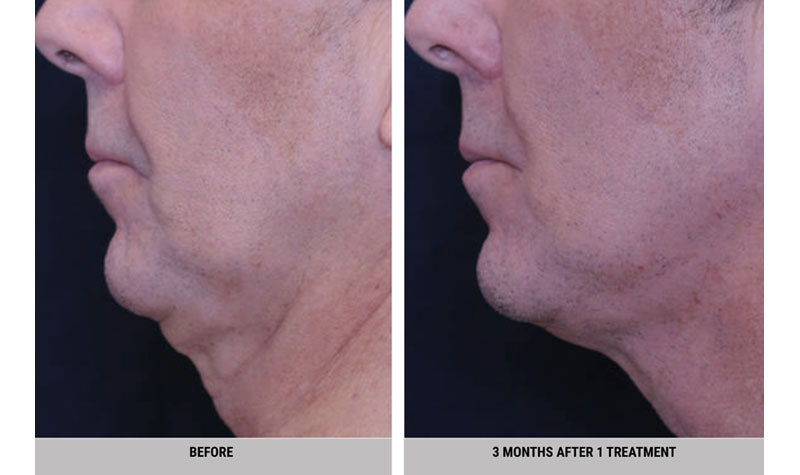
A softening jawline and looser neck skin are among the most common signs of facial aging, and they can add years to how old someone looks even when the rest of their skincare routine is solid. Collagen and elastin production slows down starting in the mid-to-late twenties, and gravity, sun exposure, and natural fat and muscle changes in the neck all add up over time.
A saggy neck or an emerging double chin does not automatically mean surgery is the only option on how to get rid of a saggy neck or double chin. This guide from Dream Spa Medical, a licensed med spa with locations across Massachusetts, walks through why the neck ages the way it does, which habits genuinely help, and which non-surgical treatments make a measurable difference.
Why the Neck and Jawline Start to Sag
A few things happen at the same time as the neck ages:
- Collagen and elastin decline. These proteins keep skin firm and springy. Production drops steadily after the mid-twenties, and the neck has thinner skin than the face, so the effect shows up there early.
- Fat distribution shifts. Some people develop submental fat (fullness under the chin) even at a healthy weight, which can look like a double chin without any actual skin laxity.
- The platysma muscle loosens. This thin muscle runs down the front of the neck. As it loosens with age, it can create vertical bands and contribute to a less defined jawline.
- Sun exposure and genetics play a role. UV damage accelerates collagen breakdown, and some people are simply more prone to skin laxity than others regardless of weight or lifestyle.
Knowing which of these is the main driver (excess skin, excess fat, muscle laxity, or a combination) is part of why an in-person evaluation matters before choosing a treatment path. The Cleveland Clinic covers this same set of causes in its own guide to neck skin laxity.
Can Saggy Neck Exercises Help?
Neck exercises come up constantly in searches for this topic, so it is worth answering directly: exercises such as chin tucks, the platysma activation (pressing the tongue to the roof of the mouth and tilting the chin up), jaw jut holds, and the “ceiling kiss” stretch can tone the muscles under the chin and along the jawline. Consistent practice may create a modest, subtle improvement in muscle tone over several weeks.
What exercises cannot do is remove loose or excess skin. Once skin has lost elasticity from collagen loss or sun damage, no amount of muscle toning will tighten it back up, the same way sit-ups will not remove loose abdominal skin. Exercises are a reasonable, free first step for very mild laxity or as a maintenance habit, but they are not a stand-alone fix for a visibly sagging neck or a defined double chin.
Skin Care and Lifestyle Habits That Support a Firmer Neck
Alongside any in-office treatment, a few daily habits help protect the collagen the neck still has and slow further laxity:
- Apply sunscreen to the neck and chest every day, not just the face. UV exposure is one of the largest controllable factors in skin aging, and the neck is one of the most commonly skipped areas.
- Use a retinoid or peptide-based cream on the neck. These ingredients are well studied for stimulating collagen production over time, though results take consistent use over several months.
- Stay hydrated and avoid smoking, which accelerates collagen breakdown throughout the body.
- Maintain a stable weight where possible, since repeated weight fluctuation can stretch neck skin over time.
These habits will not reverse significant sagging on their own, but they support and extend the results of any professional treatment and are a reasonable starting point for people with only mild concerns.
How Non-Surgical Skin Tightening Works
For people who want more than skin care alone can offer, several non-surgical treatments are built specifically to address neck and jawline laxity without incisions or downtime. Ultherapy is the most widely available option today. It uses focused ultrasound energy to reach the deep support layer of skin, the same layer addressed in a surgical facelift, and that energy triggers the body’s own collagen production over the following two to three months. Most people notice initial improvement within a few weeks, with fuller results developing over three to six months as new collagen builds.
Radiofrequency microneedling is another category worth knowing about. It combines fine needles with radiofrequency energy to prompt collagen, elastin, and hyaluronic acid production in the skin’s deeper layers, and it is generally done in a single session, though it is only offered at select locations.
In general, non-surgical tightening treatments can help with fine lines, mild to moderate skin laxity along the jawline and neck, and a subtle lift to the lower face, without the recovery time a surgical facelift requires. Results vary by individual, and a licensed provider can evaluate which option, if any, fits a specific case.
Ultherapy is offered at all three Dream Spa Medical locations. Readers in the Brookline area can find more detail as part of Ultherapy in Brookline. Those closer to the South Shore can review Ultherapy in Canton. Readers in the Foxborough and Patriot Place area can see the details of Ultherapy in Foxborough.
Find the Right Treatment for Your Neck and Jawline
A saggy neck or an emerging double chin has more solutions today than diet, exercise, or surgery alone. Non-surgical treatments like Ultherapy can meaningfully tighten and lift the neck and jawline without an operating room or lengthy recovery, which is the perfect way to get rid of a saggy neck or a double chin.
Dream Spa Medical offers Ultherapy across its three Massachusetts locations and can help evaluate whether it is a good fit for a specific case. Schedule a consultation to talk through the options in person.