
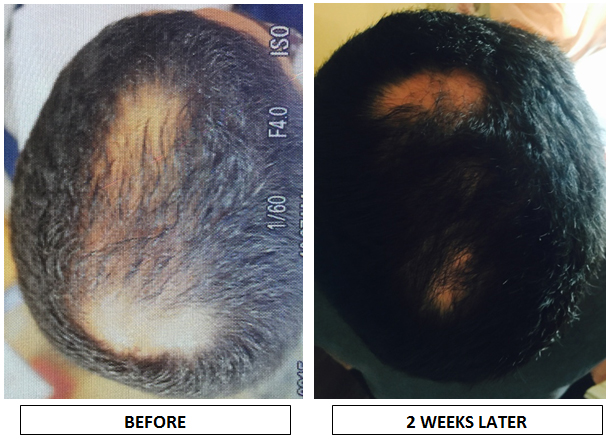
Thinning hair can creep up on you, and figuring out what to do about it isn’t always easy. If you’re thinking about non-surgical hair restoration, you probably have a few questions: what the treatment involves, how long it takes to see results, and whether it can help with your type of hair loss.
There are several options available, from medications and light therapy to microneedling and platelet-rich plasma (PRP) treatments. Each works differently, and results depend on the cause and extent of your hair loss.
At Dream Spa Medical, we offer PRP hair restoration as an in-office option for thinning hair. Here’s what to expect from non-surgical treatments, including the available options, the treatment process, recovery, and realistic results.
What is Non-Surgical Hair Restoration?
Non-surgical hair restoration refers to treatments that help manage hair loss, support existing follicles, and encourage healthier hair growth without a surgical hair transplant.
Many people experience thinning hair because their follicles gradually become smaller and produce finer, shorter strands. This is common with androgenetic alopecia, also known as male or female pattern hair loss.
According to MedlinePlus, pattern hair loss affects an estimated 50 million men and 30 million women in the United States. Non-surgical treatments may help slow thinning and improve hair density while follicles are still functioning. However, they cannot reliably restore full hair coverage in areas where significant baldness has developed.
It’s also important to understand that not all hair loss is genetic. Thyroid problems, nutritional deficiencies, hormonal changes, medications, and certain medical conditions can contribute to shedding.
The first step is identifying what’s causing your hair loss, as this helps determine which treatments are likely to be suitable and what results you can reasonably expect.
What are Your Non-Surgical Hair Restoration Options?
There are several ways to address thinning hair without surgery. Some treatments can be used at home, while others require professional appointments. Depending on your hair loss pattern and medical history, a combination of treatments may also be considered.
Common options include:
- Minoxidil: An FDA-approved topical medication for certain types of pattern hair loss. It is applied regularly to the scalp and may help slow shedding and encourage regrowth.
- Finasteride: A prescription medication approved for male pattern hair loss. It works by reducing DHT, a hormone associated with follicle shrinkage. It isn’t suitable for everyone, and potential side effects should be discussed with a physician.
- Low-level laser therapy: Uses red light delivered through devices such as caps or combs to stimulate follicles. Some devices have FDA clearance for specific hair loss indications.
- Microneedling: Uses fine needles to create small, controlled punctures in the scalp, which may stimulate repair processes associated with hair growth.
- PRP hair restoration: Uses platelet-rich plasma prepared from your own blood and injected into thinning areas of the scalp to potentially support hair follicle function.
- Cosmetic hair-concealment options: Hair fibers, scalp micropigmentation, and hair systems can make thinning areas less noticeable, but they do not promote new hair growth.
Each treatment comes with different expectations. Medications generally require consistent use, while in-office treatments such as PRP are typically performed over a series of appointments.
The American Academy of Dermatology provides further guidance on hair loss treatments and emphasizes the importance of choosing an approach based on the underlying cause.
Microneedling for Hair Loss
Microneedling uses very fine needles to make tiny, controlled punctures in the scalp, which may kick-start the skin’s natural repair response. It’s usually paired with other treatments rather than used on its own. In a randomized study of 100 men with pattern hair loss, those who combined it with minoxidil saw bigger gains in hair count after 12 weeks than those using minoxidil alone.
Our PRP hair restoration is done with injections. If you’re curious whether microneedling could play a part in your plan, we’ll look at your scalp and your goals together and recommend what makes sense for you.
How Does PRP Hair Restoration Work?
PRP stands for platelet-rich plasma, a concentrated preparation of platelets taken from your own blood. These platelets contain growth factors involved in the body’s natural repair processes.
When PRP is injected into thinning areas of the scalp, these growth factors may help support follicle activity and the natural hair growth cycle.
Research suggests that PRP may improve hair density and thickness in some people with pattern hair loss. A 2022 review published in Drug Design, Development and Therapy examined its use in hair restoration and reported encouraging findings, while noting that treatment methods and outcomes differ between studies.
PRP is also considered an off-label treatment for hair loss. The International Society of Hair Restoration Surgery explains that although certain PRP preparation systems are FDA-cleared for other medical uses, PRP has not received FDA approval specifically for hair growth.
At Dream Spa Medical, PRP is offered as a minimally invasive option for suitable patients who want to address thinning hair without a transplant.
What Happens During a PRP Hair Treatment?
If you’re considering a PRP hair treatment, knowing what happens during your appointment can help you feel more prepared.
At Dream Spa Medical, the process involves three main steps:
- Blood draw: Your provider takes a small blood sample from your arm, similar to a routine blood test.
- PRP preparation: The blood is placed in a centrifuge, which separates and concentrates the platelet-rich plasma.
- Scalp injections: The prepared PRP is carefully injected into areas where thinning hair is present.
You may feel a brief pinching or pressure sensation during the injections. The procedure doesn’t require surgical incisions or general anesthesia, and most people can return to their usual daily activities afterward.
Your provider will also explain any preparation and aftercare instructions relevant to your treatment.
How Many PRP Sessions are Needed to See Results?
Think of PRP as a series of steps rather than a single quick fix. Hair grows in cycles, so changes in thickness and density build gradually.
At Dream Spa Medical, we recommend three PRP sessions about four weeks apart, followed by a maintenance session once a year to help keep your results going. This is our recommended schedule rather than a rule for everyone, so your own plan may look a little different depending on your hair loss and how you respond.
Here’s what you might expect as treatment progresses:
- First few months: Some people notice less shedding before new growth becomes visible. With home care, early growth can appear as soon as about 2 weeks.
- Around 5 to 8 months: Hair often starts to look thicker and fuller.
- Up to 12 months: Results can keep improving for up to a year after treatment.
These timelines are typical, not a promise. Some people respond really well, while others see more modest changes, so it’s best to judge your progress across the full course of treatment instead of after one visit.
What to Expect After PRP: Side Effects and Recovery
PRP hair restoration generally involves minimal recovery time, but some temporary side effects are possible.
After treatment, you may notice:
- Scalp tenderness: Mild sensitivity around the injection sites.
- Redness or swelling: Temporary irritation that usually settles within a few days.
- Bruising: Small bruises may develop in the treated areas.
- Minor discomfort: Some people notice temporary scalp tightness or a mild headache.
Although less common, complications such as infection can occur with any injection-based treatment. Most people can resume normal daily activities soon after their appointment. However, your provider may recommend avoiding strenuous exercise, heavy lifting, or excessive sweating for 24 to 48 hours.
You should also tell your provider about medications you take, particularly blood thinners or anti-inflammatory medications. Do not stop any prescribed medication without guidance from the clinician managing it. Following your aftercare instructions and attending scheduled appointments can help you manage recovery and monitor your progress.
Who is a Good Candidate for Non-Surgical Hair Restoration?
Non-surgical hair restoration tends to be most suitable for people who still have active hair follicles and are dealing with early or moderate thinning.
The best treatment depends on your hair loss pattern, overall health, and the underlying cause.
People who may benefit from professional hair restoration advice include those experiencing:
- Male pattern hair loss: Gradual thinning around the hairline or crown.
- Female pattern hair loss: A widening part or reduced density across the top of the scalp.
- Early hair thinning: Hair gradually becoming finer or less dense.
- Sparse eyebrows or beard hair: Areas of reduced growth that may need a separate assessment.
Other causes of hair loss require additional care. Alopecia areata, iron deficiency, thyroid conditions, medication-related shedding, and hair loss following chemotherapy may require medical management before cosmetic hair restoration is considered.
PRP has been studied most extensively for pattern hair loss, so it shouldn’t be assumed to work equally well for every condition. PRP may also be unsuitable for people with certain blood or platelet disorders, active scalp infections, or other medical conditions. Dream Spa Medical does not recommend PRP injections during pregnancy or breastfeeding.
If you notice sudden hair loss, bald patches, scalp inflammation, or unexplained shedding, a medical assessment should come before cosmetic treatment.
When is a Hair Transplant a Better Option?
Non-surgical hair restoration can help some people maintain or improve existing hair, but it has limitations when hair loss becomes more advanced.
A hair transplant involves moving healthy follicles from a donor area of the scalp into areas affected by hair loss.
For people with extensive baldness and suitable donor hair, surgery may offer a more appropriate option for restoring coverage than treatments focused on supporting existing follicles. However, a transplant isn’t always necessary. People with earlier thinning may benefit from medical or non-surgical treatments, and some patients use these approaches alongside hair transplantation.
Which Non-Surgical Hair Restoration Treatment is Right for You?
By now, you should have a clearer picture of what non-surgical hair restoration involves. The next step is deciding which approach makes sense for your hair loss concerns.
If you’re noticing gradual thinning, medications such as minoxidil or finasteride may be suitable, depending on your diagnosis and medical history.
If you’re interested in an in-office treatment, PRP may be another option worth discussing. Microneedling and low-level laser therapy may also be considered in certain circumstances.
Before choosing a treatment, consider:
- Your hair loss pattern: Are you seeing gradual thinning, or has the hair loss appeared suddenly?
- Your treatment preferences: Would you prefer daily home care or periodic professional appointments?
- Your expectations: Are you hoping to maintain existing hair, reduce shedding, or improve visible density?
- The time involved: Are you prepared for several months of treatment and possible maintenance appointments?
No single treatment works for every type of hair loss, and results vary from person to person.
Understanding the cause of your thinning hair and having realistic expectations will help you make a more informed choice.
PRP Hair Restoration Near Boston at Dream Spa Medical
Knowing what to expect from non-surgical hair restoration can help you decide whether treatment is right for you. While results depend on your individual hair loss pattern, options such as PRP may help support healthier-looking hair without surgery.
At Dream Spa Medical, we offer PRP hair restoration at three locations across Greater Boston:
- PRP Hair Restoration in Brookline
- PRP Hair Restoration in Canton
- PRP Hair Restoration at Patriot Place in Foxborough
Our team can explain the PRP treatment process, discuss your hair concerns, and help you understand whether it may be suitable for your goals.
If you’re considering hair restoration in Boston or the surrounding areas, contact your preferred Dream Spa Medical location to discuss a consultation.