
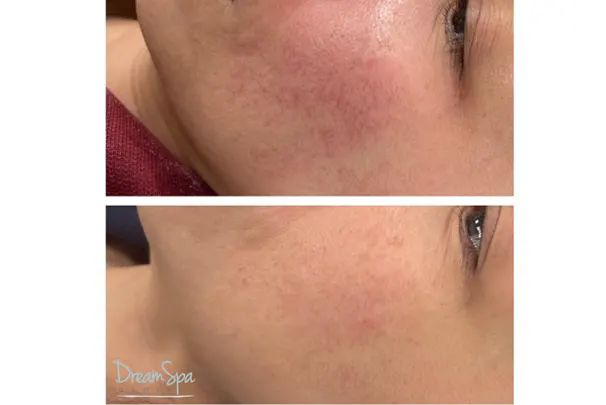
If you have rosacea, you may notice that your skin becomes more difficult to manage during the winter months.
Cold temperatures, dry air, indoor heating, wind, and sudden changes in temperature can all contribute to increased redness, dryness, irritation, and flare ups.
For many people with rosacea, winter can be one of the most challenging times of year for their skin.
Understanding why rosacea can worsen in cold weather can help you take steps to protect your skin and better manage seasonal flare ups.
At Dream Spa Medical, we understand that rosacea can look and feel different for every patient. The right approach depends on your skin type, symptoms, triggers, and individual concerns.
If you are struggling with increased redness or rosacea flare ups during the winter, request a complimentary consultation. Our experienced providers can evaluate your skin and help you understand which treatment options may be appropriate for your concerns.
What Is Rosacea?
Rosacea is a chronic inflammatory skin condition that most commonly affects the face.
It can cause symptoms such as:
- Persistent facial redness
- Flushing
- Visible blood vessels
- Skin sensitivity
- Burning or stinging
- Dryness
- Bumps or breakouts
- Thickened skin in some cases
Symptoms can vary from person to person and may change over time.
Rosacea can also have periods of flare ups and periods when symptoms are less noticeable.
Why Does Rosacea Get Worse in the Winter?
Winter weather can create several challenges for sensitive skin.
Cold temperatures and dry air can weaken the skin’s natural protective barrier, making it more difficult for the skin to retain moisture.
When the skin barrier becomes compromised, the skin may become more sensitive and reactive.
For people with rosacea, this can contribute to increased redness, dryness, irritation, and discomfort.
Common winter rosacea triggers include:
- Cold temperatures
- Wind exposure
- Dry air
- Indoor heating
- Hot showers
- Sudden temperature changes
- Holiday stress
- Certain foods and beverages
- Identifying your personal triggers can be an important part of managing rosacea.
How Does Cold Weather Affect Rosacea?
Cold weather can cause blood vessels in the skin to constrict.
When you move from the cold outdoors into a warm indoor environment, the sudden temperature change can cause blood vessels to dilate.
This rapid change may contribute to facial flushing and redness in people with rosacea.
Wind can also irritate sensitive skin, while cold and dry air can contribute to moisture loss.
The combination of these environmental factors can make rosacea symptoms feel more difficult to control during the winter.
Does Indoor Heating Make Rosacea Worse?
Indoor heating can contribute to dry air, which can further dehydrate the skin.
When the skin lacks moisture, it may become dry, tight, itchy, or more sensitive.
For people with rosacea, maintaining a healthy skin barrier is especially important.
Using a humidifier and following a gentle skincare routine may help support skin hydration during the winter months.
Why Do Hot Showers Trigger Rosacea?
After spending time in cold weather, it can be tempting to take a long, hot shower.
However, hot water can trigger flushing and redness for some people with rosacea.
Heat causes blood vessels to dilate, which may make facial redness more noticeable.
Using lukewarm water instead of very hot water can be a better option for sensitive skin.
How Can I Prevent Rosacea Flare Ups in Winter?
While it may not be possible to prevent every flare up, protecting your skin from common winter triggers can help.
Consider the following tips:
- Protect your face from cold wind
- Avoid sudden temperature changes when possible
- Use gentle skincare products
- Keep your skin moisturized
- Avoid very hot showers
- Use lukewarm water when cleansing
- Wear sunscreen throughout the winter
- Identify and avoid personal triggers
- Avoid harsh exfoliants if they irritate your skin
- Keep indoor air from becoming excessively dry
Because rosacea triggers vary between individuals, it is important to pay attention to what causes your symptoms to worsen.
Does Dry Skin Make Rosacea Worse?
Dryness can make rosacea symptoms more uncomfortable and may contribute to increased sensitivity.
When the skin barrier is compromised, irritants can have a greater effect on the skin.
Supporting the skin barrier with appropriate skincare products and avoiding unnecessary irritation can help maintain healthier looking skin.
Your provider can recommend a skincare routine based on your individual skin concerns.
Should You Wear Sunscreen in the Winter If You Have Rosacea?
Yes. Sun exposure is a common trigger for many people with rosacea.
Ultraviolet exposure can occur throughout the year, even during colder months.
Wearing a broad spectrum sunscreen as part of your daily routine can help protect your skin from environmental damage and potential sun related triggers.
Your provider can recommend products that are appropriate for sensitive and rosacea prone skin.
What Treatments Can Help With Rosacea?
The best treatment for rosacea depends on your individual symptoms and skin concerns.
Different patients may experience persistent redness, visible blood vessels, bumps, sensitivity, or a combination of concerns.
A personalized consultation can help determine which treatments may be appropriate for your skin.
At Dream Spa Medical, our providers evaluate your skin and create individualized treatment plans based on your specific concerns and goals.
How Can IPL Help With Rosacea?
For patients struggling with persistent facial redness, flushing, and visible blood vessels associated with rosacea, IPL may be an effective treatment option.
IPL, which stands for Intense Pulsed Light, uses targeted light energy to address visible redness and blood vessels beneath the surface of the skin. Rosacea commonly causes persistent facial redness and visible blood vessels, making IPL a potential option for patients whose primary concerns include redness and uneven skin tone.
IPL may help improve the appearance of:
- Persistent facial redness
- Flushing
- Visible blood vessels
- Broken capillaries
- Uneven skin tone
- Overall skin texture
The treatment works by delivering pulses of light energy to targeted areas of the skin. This energy helps target visible blood vessels and areas of redness, which can help create a clearer and more even looking complexion over time.
Laser and light therapies, including IPL, are commonly used to address visible blood vessels and redness associated with rosacea. However, rosacea management is often most effective when treatment is personalized based on each patient’s individual symptoms and triggers.
Is IPL Right for Your Rosacea?
Rosacea affects every patient differently, which is why IPL may be an excellent option for some patients but not necessarily the right treatment for everyone.
Patients who struggle primarily with persistent redness, flushing, and visible blood vessels may be good candidates for IPL treatment.
During your complimentary consultation, an experienced provider will evaluate your skin, discuss your symptoms and triggers, and determine whether IPL or another treatment approach is most appropriate for your concerns.
If you are interested in learning more about this treatment, learn more about IPL Photofacial at Dream Spa Medical.
What Can You Expect From IPL for Rosacea?
IPL is a noninvasive treatment that typically requires little to no downtime.
During treatment, pulses of light energy are delivered to targeted areas of the skin. Patients may experience a brief sensation of warmth or snapping during the treatment.
Some temporary redness or sensitivity may occur afterward, but most patients are able to return to their normal activities.
Because every case of rosacea is different, your provider will create a personalized treatment plan based on your skin, symptoms, and goals. Some patients may benefit from a series of treatments to achieve optimal improvement.
IPL is often just one part of a comprehensive rosacea management plan that may also include gentle skincare, daily sun protection, and avoiding personal triggers.
When Should You Seek Help for Rosacea?
If your rosacea symptoms are becoming more severe, difficult to manage, or significantly affecting your confidence, it may be time to speak with a qualified provider.
A professional evaluation can help you better understand your skin and determine what may be contributing to your flare ups.
Because rosacea is a medical skin condition, some patients may also need evaluation or treatment from a dermatologist.
Your provider can help guide you toward the most appropriate next step based on your concerns.
What to Expect During Your Rosacea Consultation
Your complimentary consultation is designed to help you better understand your skin and your available options.
Your provider will evaluate:
- Your skin type
- Your rosacea symptoms
- Areas of redness or irritation
- Potential triggers
- Your current skincare routine
- Previous treatments
- Your individual goals
Based on your evaluation, your provider can discuss appropriate treatment options and skincare recommendations.
If your concerns require medical dermatology care, we can help you understand when additional evaluation may be appropriate.
You do not need to know exactly what treatment you need before your consultation.
That is what we are here for.
Request your complimentary consultation and let our experienced team help you better understand your skin.
Claim Your $50 Gift Card
If you have been thinking about addressing redness, sensitive skin, or other rosacea concerns, now is the perfect time to schedule your consultation.
Before your appointment, be sure to claim your $50 Gift Card, which can be applied toward your first eligible treatment where applicable.
It is our way of helping you take the first step toward healthier looking skin and a personalized approach to your concerns.
Why Choose Dream Spa Medical?
At Dream Spa Medical, we understand that sensitive skin requires a thoughtful and individualized approach.
Rosacea is not the same for every patient, which is why our experienced providers take the time to evaluate your symptoms, skin type, triggers, and goals.
We believe patient education is an important part of creating an effective treatment plan.
Whether you are struggling with persistent redness, winter flare ups, skin sensitivity, or visible blood vessels, our team can help you explore your options.
We proudly serve patients throughout Massachusetts at our three convenient locations.
- Brookline: 1340 Beacon St., Brookline, MA 02446
- Canton: 2184 Washington St. #4, Canton, MA 02021
- Foxborough: 263 Patriot Pl., Foxborough, MA 02035
Frequently Asked Questions
Why is my rosacea worse in the winter?
Cold temperatures, dry air, wind, indoor heating, and sudden temperature changes can all contribute to increased redness, dryness, and irritation.
Does cold weather cause rosacea?
Cold weather does not necessarily cause rosacea, but it can trigger or worsen symptoms in people who already have the condition.
Can indoor heating make rosacea worse?
Yes. Indoor heating can reduce humidity and contribute to dry skin, which may increase sensitivity and irritation.
Why does my face turn red when I come inside from the cold?
Sudden changes from cold outdoor temperatures to warm indoor environments can cause blood vessels to react and may contribute to flushing.
Should I moisturize more in the winter if I have rosacea?
Keeping the skin hydrated can help support the skin barrier. Your provider can recommend products that are appropriate for your individual skin type.
Should I wear sunscreen in the winter?
Yes. Sun exposure can trigger rosacea for many people, and ultraviolet exposure occurs throughout the year.
Can IPL help with rosacea redness?
IPL may help reduce the appearance of persistent facial redness, flushing, and visible blood vessels associated with rosacea. A consultation can help determine whether IPL is appropriate for your skin and concerns.
Can a med spa treat rosacea?
A qualified provider can evaluate certain cosmetic concerns associated with rosacea and discuss appropriate treatment options. Some patients may require evaluation or treatment from a dermatologist.
Do I need a consultation before treating rosacea?
Yes. A complimentary consultation allows a provider to evaluate your skin and determine the most appropriate approach based on your symptoms and concerns.
Where Can I Receive a Rosacea Consultation?
Dream Spa Medical offers complimentary consultations for skin concerns at our Massachusetts locations.
- Brookline: 1340 Beacon St., Brookline, MA 02446
- Canton: 2184 Washington St. #4, Canton, MA 02021
- Foxborough: 263 Patriot Pl., Foxborough, MA 02035
Schedule Your Complimentary Rosacea Consultation Today
If winter weather is making your rosacea symptoms worse, you do not have to navigate your skin concerns alone.
Request your complimentary consultation and meet with an experienced provider who can evaluate your skin, discuss your concerns, and help you understand your options.
Before your visit, do not forget to claim your $50 Gift Card and take advantage of this exclusive offer.
With the right approach, you can better understand your triggers and take steps toward calmer, healthier looking skin throughout the winter.